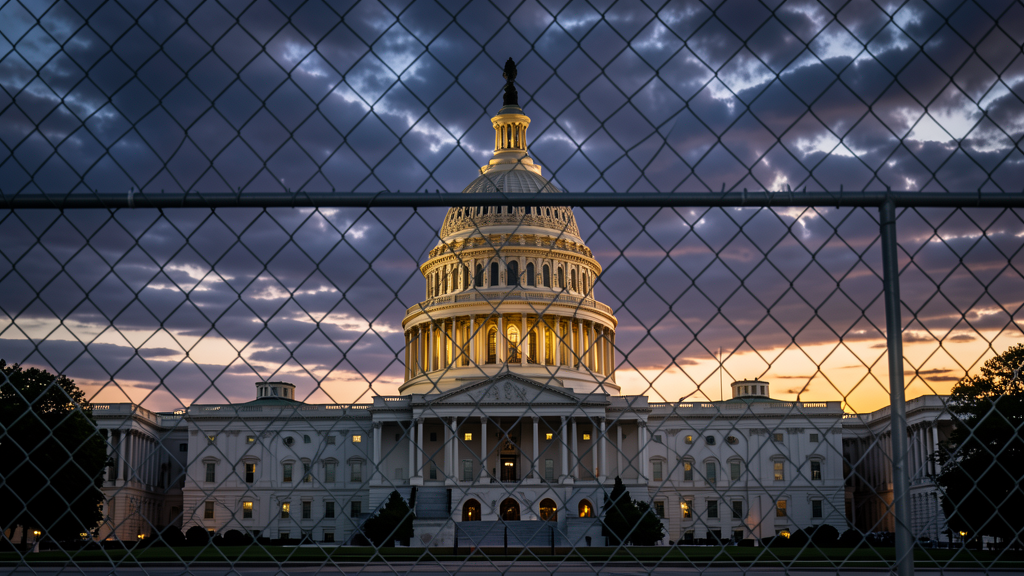
The U.S. Senate passed a sweeping bipartisan housing affordability bill on June 22 that includes a four-year ban on the Federal Reserve issuing a central bank digital currency, dealing a legislative blow to the Biden administration's exploratory work on a digital dollar.
The 85-5 vote on the 21st Century ROAD to Housing Act attached the prohibition as an amendment to a broader package aimed at easing zoning restrictions and expanding affordable housing stock. The CBDC provision prevents the Fed from establishing a central bank digital currency through December 31, 2030, though it explicitly allows for research and experimentation. Privacy advocates and several Republican lawmakers argued that a digital dollar would give the federal government unprecedented visibility into private financial transactions.
Supporters of the ban frame it as a protective measure against potential financial surveillance, while opponents say it undermines America's ability to compete with other major economies that are actively developing their own digital currencies. The People's Bank of China has already launched a digital yuan, and the European Central Bank is preparing a digital euro that could enter a pilot phase soon.
Federal Reserve Chair Jerome Powell had taken a cautious approach to a CBDC, repeatedly telling Congress that the central bank would not proceed without clear statutory authority and broad public support. The Senate legislation effectively removes the easiest path to such authority during the next four years, though it does not bar Congress from revisiting the question if political winds shift.
The crypto industry reacted quickly and positively. Industry trade groups hailed the vote as a victory for financial privacy and digital-asset innovation, arguing that a Fed-issued digital currency could crowd out private cryptocurrencies and stablecoins. The Blockchain Association, a leading lobbying group, called the ban a necessary brake on an overreaching federal surveillance project.
The House has yet to take up the bill, and some House Democrats have signaled opposition to the CBDC restriction. Even so, the Senate's lopsided vote makes the provision difficult to dismiss as a fringe amendment. If it survives intact through conference committee, it would represent one of the most significant statutory limits on digital currency development in the United States.
Image source: v3b.fal.media