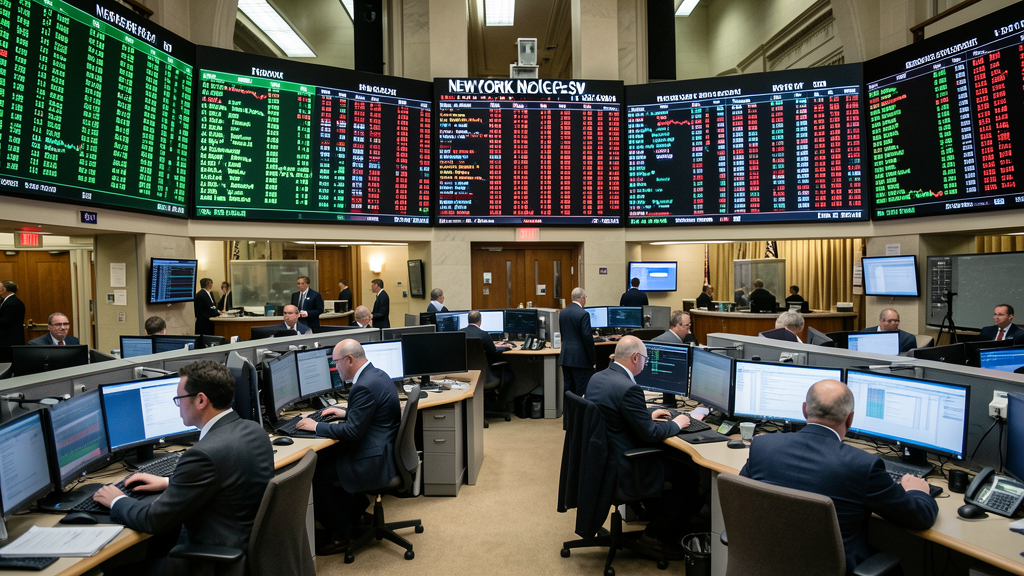
U.S. equities are positioned to end the first half of 2026 with solid gains despite a turbulent June, as investors enter the summer break with a cautiously constructive outlook—one shaped by an S&P 500 target raised to 7,800 by JPMorgan, resilient corporate earnings, and a developing geopolitical tailwind, but complicated by rising rate expectations and elevated market concentration.
The S&P 500 was up approximately 7.7 percent for the year through early June before a mid-month dip pushed it back. The index recovered in the final two weeks of the quarter, helped by signs that a U.S.-Iran resolution was approaching—a development that analysts credited with lowering geopolitical risk premiums across asset classes. The Nasdaq Composite, which had fared better through midyear, stood roughly 12 percent higher at its June peak before a late-month pullback trimmed the year-to-date gain close to 9 percent.
JPMorgan's decision to raise its 2026 year-end S&P 500 target from 7,200 to 7,800—implying roughly 5 percent additional upside from current levels in what the bank called its "Blue Sky" scenario—reflected a broader bullish consensus that has become more pronounced even as individual sessions have grown more volatile. "I think there's a very good chance that equities can continue to rally from here in a pretty significant way through the end of the year," said David Miller, investment chief at Catalyst Funds, echoing a tone prevalent among strategists ahead of the quarter-end close.
The underlying economic case for optimism is not difficult to find. Corporate earnings have held up across most sectors, consumer spending is tracking above pre-pandemic trend lines, and the labor market continues to add jobs—albeit at a more moderate pace than in 2025. A personal consumption expenditures report released Thursday confirmed that inflation, while at its highest level in roughly three years, is compatible with sustained consumer activity, suggesting that the recent energy-price spike that worried markets earlier in the quarter may have been a one-time shock rather than the start of a broader price spiral.
Yet beneath those encouraging aggregate numbers, a number of warning signs have accumulated. Bank of America technical strategist Paul Ciana warned clients this week that correction risks are rising heading into the third quarter and recommended that investors add portfolio protection in the near term. Darrell Cronk, chief investment officer at Wells Fargo Wealth and Investment Management, offered a similar message in practical terms: "If I'm an investor looking to invest the next marginal dollar into equities, I would just say to them, 'be a little patient.' We think you might get some volatility buying opportunities as we move through the summer."
The asymmetry in market positioning is real. The rally has been heavily concentrated in technology and AI-related names, and investors have been trimming exposure as Fed Chair Kevin Warsh signaled a willingness to tighten policy further if inflation persists. A commitment to high interest rates for longer raises the present-value discount rate on the far-future earnings that account for most of the premium in technology stock valuations. That pressure is not likely to dissipate quickly.
Holiday-shortened trading the week of July Fourth, combined with month-end and quarter-end portfolio rebalancing by institutional managers, is likely to amplify volatility in the near term regardless of the underlying economic data. And a nonfarm payrolls report due Thursday will be watched closely for any sign of labor market deterioration that could accelerate or delay Federal Reserve action.
The best-case scenario for the second half—a soft landing, disciplined corporate earnings, and a productivity boost from AI adoption—remains viable. But the first half's lesson is that the path there has been, and will likely continue to be, anything but smooth.
Image source: v3b.fal.media