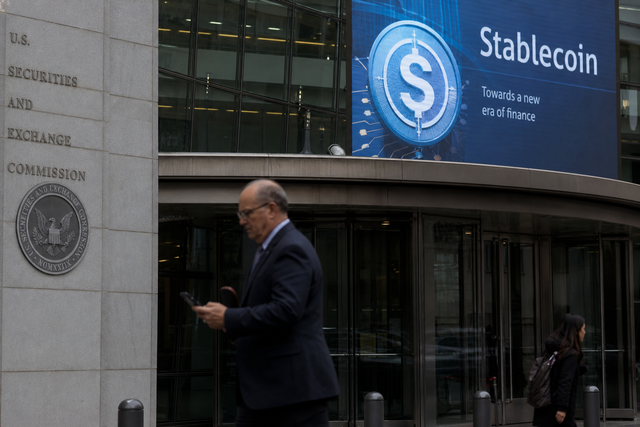
New U.S. stablecoin rules authorized under the Genius Act took effect on July 18, establishing federal licensing, capital, custody and anti-money-laundering standards for issuers of dollar-backed tokens.
The framework is the most comprehensive attempt yet by Washington to govern stablecoins, the digital tokens designed to hold a steady value and increasingly used for cross-border payments and crypto trading. Issuers must now meet clearer supervisory expectations or risk being sidelined from the regulated financial system.
The rollout has drawn pushback from parts of the banking industry, which warn that provisions governing yield features could undermine traditional deposit products. Banks argue that allowing stablecoin issuers to offer returns blurs the line between banking and token issuance in ways that deserve tighter limits.
Industry groups have welcomed the clarity even as they lobby over the details, saying well-defined rules will accelerate institutional adoption of tokens such as USDC and USDT. The legislation arrives as other jurisdictions, including Japan, move to reclassify and lightly tax digital assets to attract business.
The coming months will test enforcement as much as design. For an industry long accused of operating in a gray zone, the Genius Act marks a decisive shift toward oversight — one whose costs and benefits are only beginning to come into view.
Image source: i.ibb.co